
Assessor-only
Mold remediation protocol, written, assessor-only, traceable.
When inspection findings show that remediation is needed, the remediation contractor needs a written scope of work to follow. PureSpec develops the protocol from the inspection findings, specifying containment, work areas, clearance criteria, and sampling requirements. PureSpec performs assessment only, the protocol guides the contractor you hire separately.
What is a mold remediation protocol?
A mold remediation protocol is a written work plan, prepared by an independent assessor, that sets out what a remediation contractor works to: the scope of the affected area, containment, engineering controls, removal and cleaning methods, and the clearance criteria the finished work must meet. It is written to align with the IICRC S520 standard. Its value is that it fixes the scope before the work starts, so the removal boundary is not drawn by the company being paid to do the removal. At PureSpec the firm writing the protocol is never the firm performing the remediation, which keeps the scope honest and gives the owner a neutral standard to hold a contractor to. A protocol is an optional add-on, quoted separately, prepared when an assessment identifies growth that requires removal rather than as a routine deliverable.
The deliverable
What the protocol includes.
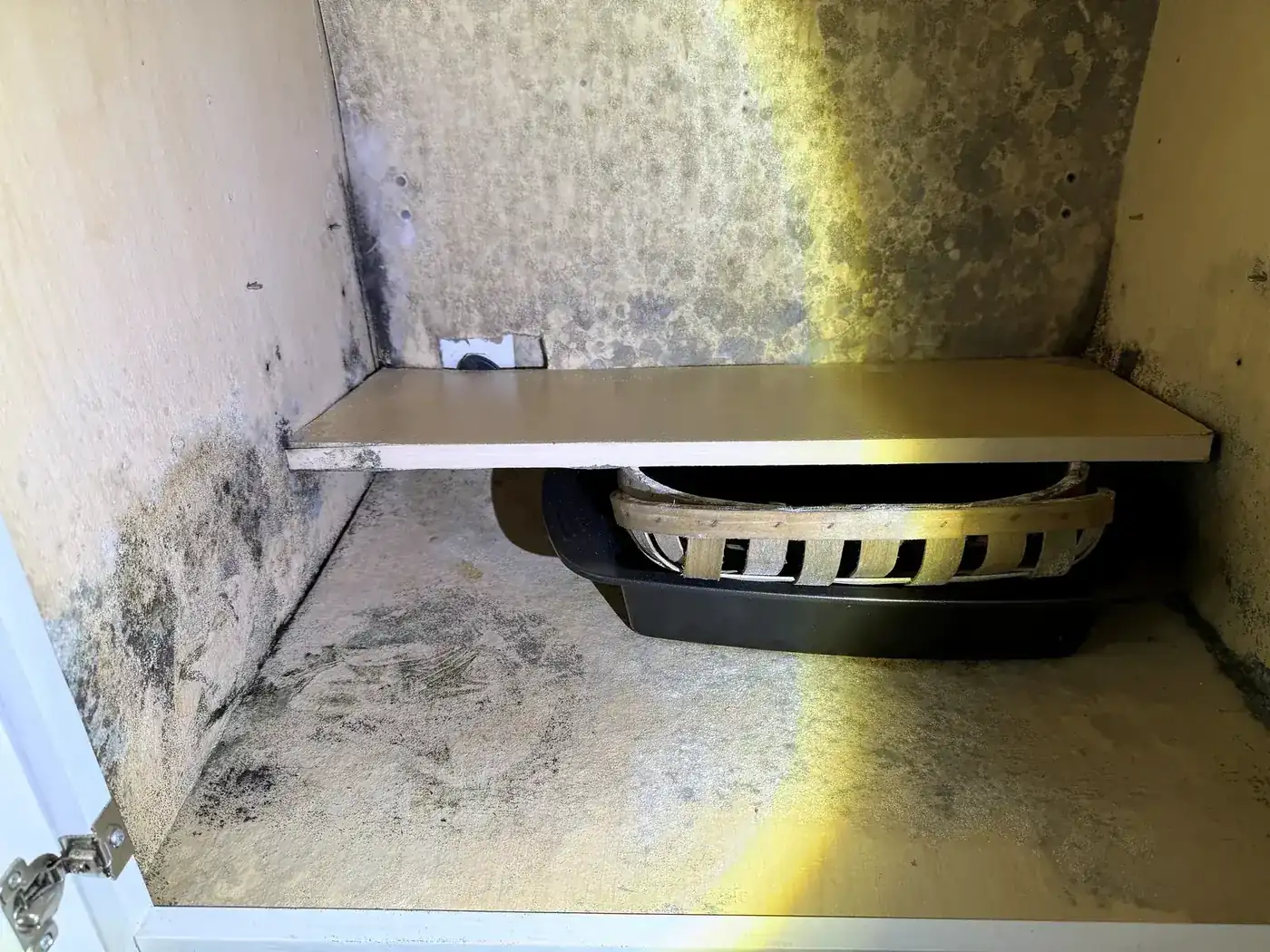
This is an add-on to an inspection, not a standalone service. Because the scope has to reflect what is actually happening in your building, PureSpec only writes a protocol after inspecting and testing the property. We assess and test only, never remediate, so the scope stays unbiased: it specifies what the property needs, with no stake in who does the work or how large the job becomes.
- Defined work areasThe exact areas requiring remediation, drawn from the inspection findings, not guesswork.
- Containment and engineering controlsHow each work area must be sealed and isolated so spores are not spread through the building during removal.
- Removal scopeWhich materials come out and which surfaces get treated, specified so every bidding contractor prices the same work.
- HEPA filtration and negative pressureThe air-handling specifications the containment must maintain throughout the job.
- Clearance criteriaThe measurable standard the finished work must pass at independent post-remediation verification.
When you need it
When is this service the right fit?
- Inspection findings indicate remediation is required
- Contractor needs a clear written scope to bid against
- Insurance carrier requires a written protocol before approving claims
- Multiple contractors are bidding and you need apples-to-apples scoping
How this service works
How is a remediation protocol written?
This service produces a document, not an inspection. Its value is that it fixes the scope before anyone starts removing anything.
01Start from the assessment
The findings, moisture data and laboratory results define what the protocol has to address.
02Fix the scope
The removal boundary is drawn here, by the assessor, not by the company being paid to do the removal.
03Containment and engineering controls
How the work area is isolated and how air is managed while the work runs.
04Removal and cleaning methods
What comes out, what is cleaned in place, and by what method.
05Clearance criteria
The standard the finished work has to meet, written down before the work begins so it cannot move afterwards. The protocol is written to align with IICRC S520.
Service areas
Where we perform Mold Remediation Protocol Development.
Orlando and Central Florida as the primary market, with statewide Florida projects available based on scope, scheduling, and travel requirements. Click the county nearest you for local context.
Honest answers
Remediation protocols, answered.
What does a remediation protocol contain?
The scope of the affected area, containment, engineering controls, removal and cleaning methods, and the clearance criteria the finished work has to meet, written to align with the IICRC S520 standard.
Why does it matter who writes it?
Because it fixes the scope before the work starts. If the company being paid to do the removal also draws the removal boundary, the boundary and the invoice move together. At PureSpec the firm writing the protocol is never the firm performing the work.
When is a protocol prepared?
When an assessment identifies growth that requires removal. It is not a routine deliverable on every inspection.
Central Florida coverage