
Targeted Areas
Focused mold inspection where you already know to look.
PureSpec's limited inspection applies the same comprehensive assessment process to the agreed areas of concern, such as a specific room, wall, or system. The difference is the area covered within the property, not a reduced level of investigative detail. It's the right choice when the concern is already isolated, a single bathroom, one HVAC return, a wall after a plumbing leak, and you don't need the cost of a whole-property assessment.
3 Laboratory Samples Included Add-on samples available
Standard coverage includes Orange, Seminole, Lake, Osceola and Polk counties. For properties outside these counties, contact PureSpec for a written quote before booking. Any travel charge is disclosed in your written quote.
What is a limited-scope mold inspection?
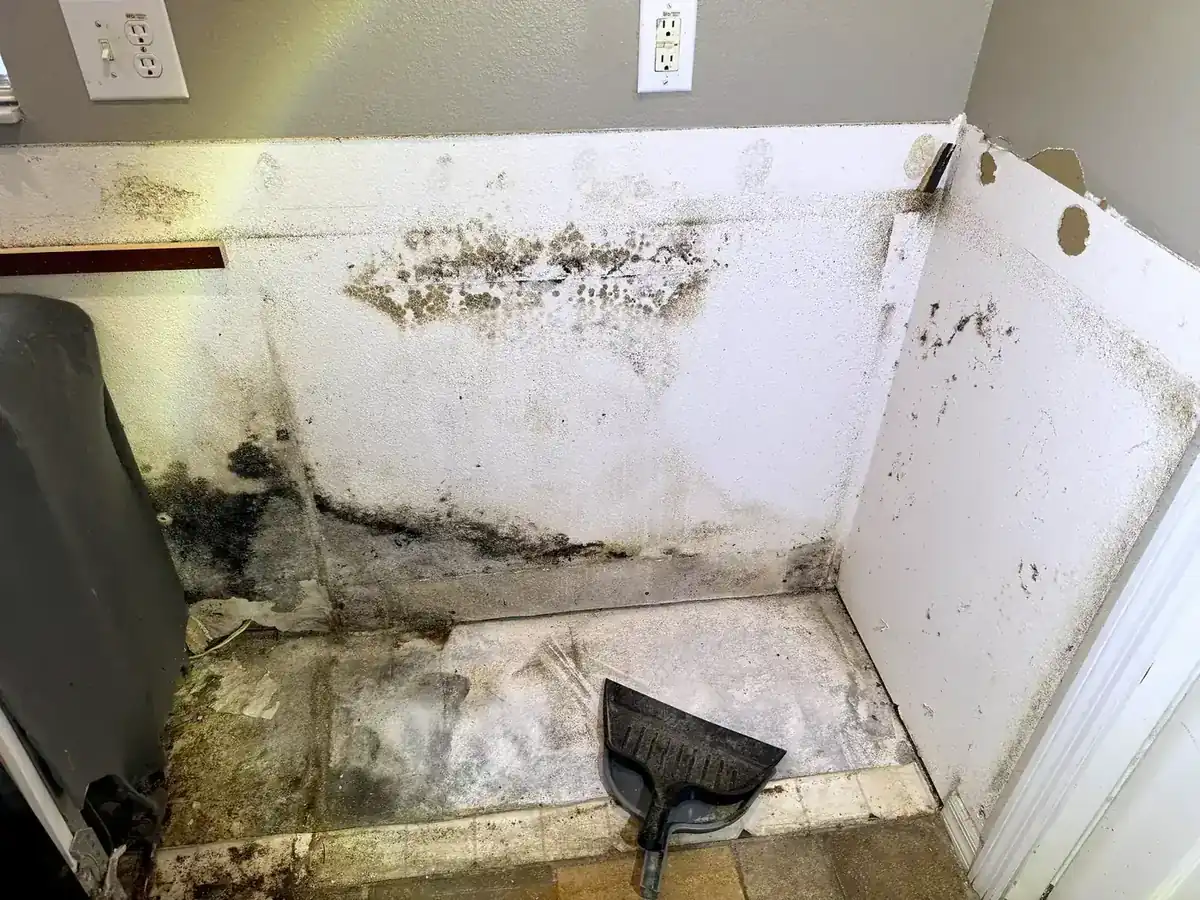
A limited-scope mold inspection is a focused mold assessment of a single area or subsystem, one bathroom, one bedroom, one HVAC zone, a specific water-loss area, a single ceiling stain, rather than the full property. It applies the same comprehensive assessment process to the agreed areas of concern; the difference is the area covered within the property, not a reduced level of investigative detail. Three accredited-laboratory samples are included, and their locations and types follow the assessment findings and the agreed scope. It is the right fit when you already know where the concern is and need targeted documentation rather than full-property scoping: a known leak, a stain that appeared after a storm, or one room that smells different from the rest of the house. If the field data indicates the condition extends past the contracted area, you are told before the work continues rather than after. PureSpec is assessment-only. The written report covers the same documentation standard as any other inspection.
What it covers
What's included?
- Focused visual inspection of the area in questionThe specific room, wall, ceiling, or system you are concerned about is examined closely for visible mold, water staining, and the source conditions behind it.
- Moisture readings on the affected surfacesDrywall, ceiling, baseboards, cabinets, under-sink bases, shower or tub surrounds, and adjacent surfaces are checked for elevated readings the eye cannot see, with three meters that work three different ways:
- Radio-frequency meter that reads a short depth into the material
- Pin-and-scan meter that confirms a reading inside the material
- Extended-reach probe for spots a hand-held meter cannot get to
- Thermal (infrared) imaging of the assemblyA thermal camera reads the surface-temperature differences that can point to hidden moisture inside the affected wall or ceiling, around plumbing and windows, so suspect areas can be found and then confirmed with the moisture meters.
- Humidity and dew point readingsTemperature, relative humidity and dew point are recorded in the area and outdoors, because condensation on a surface colder than the dew point can wet a room with no leak at all.
- Tracer smoke testingSmoke makes air movement visible at penetrations, openings, duct connections and registers serving the area, showing local air movement; temperature, humidity and surface-temperature readings help evaluate whether condensation is possible.
- HVAC evaluation of the system serving the areaThe air handler is opened and checked, along with the ducts and registers feeding the room, because a problem room is often fed by a problem system.
- Blower compartment and coil
- Drain pan
- Supply and return plenums
- Filter
- Plain-English written report, scoped to the concernPhotographs, moisture readings, any laboratory results, and clear next steps for the area inspected, organized so relevant third parties can follow the basis for the findings.
Optional lab testing
Testing you can add.
Sampling of the target area, air, surface, or wall-cavity, is included where the findings warrant it. When you need more than spore and moisture data on that area, any of these specialty panels can be added, and the cost is quoted up front:
- ERMI & HERTSMI-2 dust panelsDNA-based mold analysis scored against water-damaged-building markers, frequently requested for CIRS and MCAS medical documentation.
- Mycotoxin testingDetects the toxins some molds produce, a different question than how many spores are present.
- Pathways™ testingMicrofiber-swab sampling analyzed for peptide-bond protein, collected to manufacturer protocol.
- VOC & formaldehyde testingChemical off-gassing measurements for indoor-air-quality concerns beyond mold.
- Endotoxin testingBacterial-marker analysis for water-damaged or agricultural environments.
- Legionella water testingSampling of building water systems, cooling towers, potable water, spas, and fountains, for the bacteria that causes Legionnaires’ disease.
Add-on panels: ERMI, HERTSMI-2, mycotoxin, Pathways™, VOC, formaldehyde, endotoxin, and Legionella water testing. Every sample ships under chain of custody to an accredited third-party laboratory. If findings show the problem extends beyond the scoped area, we will tell you on site and you can expand to an entire-property inspection.
When you need it
When is this service the right fit?
- Visible growth in a specific bathroom or wall
- Post-leak documentation (roof, plumbing, appliance)
- Single-room indoor air quality concern
- Documentation for a specific tenant complaint
- Pre-remediation scoping for one isolated area
Limited scope or the entire property?
The method does not change between the two. What changes is the boundary the method is applied inside, and therefore what the report can speak to.
| Feature | Limited scope | Entire property |
|---|---|---|
| Best fit | One or a few defined areas or questions | Multiple concerns, unclear source, a purchase or whole-home evaluation, or a broader pattern suspected |
| Inspection area | Defined areas plus relevant adjacent systems and paths | Accessible areas across the property, including broader moisture and HVAC context |
| Sampling | Only when it helps answer the defined question | Selected from findings across the broader assessment |
| Main limitation | Conditions outside the agreed scope may not be evaluated | Still non-destructive unless additional access is authorized. Concealed conditions may remain inaccessible. |
| Deliverable | Report limited to the agreed assessment scope | Whole-property environmental assessment report within the stated limitations |
FAQ
Limited-scope mold inspection, common questions.
How much does a limited-scope mold inspection cost?
A limited-scope inspection costs less than a full entire-property inspection because it is confined to one area or subsystem, one bathroom, one bedroom, a single HVAC zone, or a specific water-loss area. The exact fee depends on that scope and whether laboratory sampling is needed. Call (321) 324-7756 for a written quote before scheduling.
When is a limited-scope inspection enough instead of a full inspection?
A limited-scope mold inspection is the right fit when you already know where the concern is: a visible ceiling stain, one leaking bathroom, a specific room after a plumbing failure, or a single area an insurer flagged. If the problem is unexplained, whole-home, or tied to a real-estate transaction, an entire-property inspection is the better choice.
Can a limited-scope inspection be upgraded to a full inspection?
Yes. If the targeted inspection uncovers evidence that the problem extends beyond the area in question, Daniel will tell you on site and you can expand the scope. PureSpec performs assessment and testing only and does not provide remediation. Clients hire a separate contractor when corrective work is needed.
Does a limited-scope inspection include lab sampling?
It can. The same scientific tools used on a full inspection, moisture meter, thermal imaging, and accredited-laboratory air or surface sampling, are applied to the specific area when the findings warrant it. Samples ship under chain of custody to an AIHA-LAP accredited third-party laboratory and are interpreted in your written report.
How long does a limited mold inspection take?
Because it is confined to one area or system, a limited-scope inspection is usually finished on site in under an hour. Any laboratory results follow separately, and your written report is delivered within 24 hours of the lab returning data.
What is the difference between mold inspection and mold testing?
A mold inspection investigates where and why moisture and growth are present using visual assessment, moisture mapping, and thermal imaging. Mold testing is only the laboratory sampling step. A limited-scope inspection can include both for the targeted area. For lab data alone, see mold testing.
How an inspection actually works
Twelve steps. Same scientific process, every property.
The depth of each step adapts to your situation. Tracer smoke testing and borescope inspection happen when conditions warrant. Sampling is decided based on what your specific environment is asking, not a fixed checklist.
- 01
Consultation
We talk through what you’re seeing, the building, and the question you need answered. Free, no pressure, no upsell.
- 02
Humidity and dew point
Temperature, relative humidity and dew point are recorded room by room, with an outdoor reference, because a surface colder than the dew point collects water without any leak.
- 03
Indoor air quality screening
Real-time particle counts across size channels, with on-site carbon dioxide, VOC and formaldehyde screening, room by room. Screening, not laboratory analysis.
- 04
Comprehensive HVAC evaluation
Each air handler is opened and checked: blower compartment, coil, drain pan, supply and return plenums, filter, and the attic duct runs it feeds. A frequent hidden source of indoor mold in Florida buildings.
- 05
Tracer smoke testing when needed
Smoke makes local air movement visible at the HVAC system and around penetrations and openings; temperature, humidity and surface-temperature readings help evaluate whether condensation is possible.
- 06
Mold visual inspection
Daniel personally walks every accessible space. No subcontractors.
- 07
Thermal imaging
Infrared imaging surfaces temperature differentials that often correlate with hidden moisture or insulation gaps.
- 08
Moisture mapping
Pin and pinless moisture meters identify elevated wall, floor, and substrate moisture invisible to the eye.
- 09
Targeted sampling
Air, surface, swab, ERMI, HERTSMI-2, mycotoxin, Pathways™, VOC, or formaldehyde, only the tests your situation warrants.
- 10
Lab analysis
Samples sent to AIHA-LAP-accredited third-party laboratories. Results returned within 24 to 72 hours of receipt.
- 11
Written report
Plain-English report with photos, lab data, moisture readings, observations, and clear next steps. Organized so the client and relevant third parties can follow the observations, data, methods and basis for the assessment conclusions.
- 12
Remediation protocol when warranted
If assessment findings support professional remediation, Daniel can write, as an optional add-on quoted separately, the IICRC S520-aligned remediation protocol, scope, containment, methods, and clearance criteria, that the remediation contractor works to. PureSpec does not remediate, so the protocol stays independent of the work crew.
Service areas
Where we perform Limited Scope Mold Inspection.
Orlando and Central Florida as the primary market, with statewide Florida projects available based on scope, scheduling, and travel requirements. Click the county nearest you for local context.
Central Florida coverage