Osceola County is where a lot of Central Florida’s water quietly ends up. Kissimmee and Poinciana sit on low, flat terrain wrapped by wetlands, creeks, and some of the biggest lakes in the region. Lake Tohopekaliga, the wide face of water everyone here just calls Lake Toho, sits right at the edge of town, and Shingle Creek threads through the landscape carrying the headwaters of the Everglades system south. Beautiful country. It is also country with a genuinely high water table, and that fact follows moisture right up to your foundation and into your air.
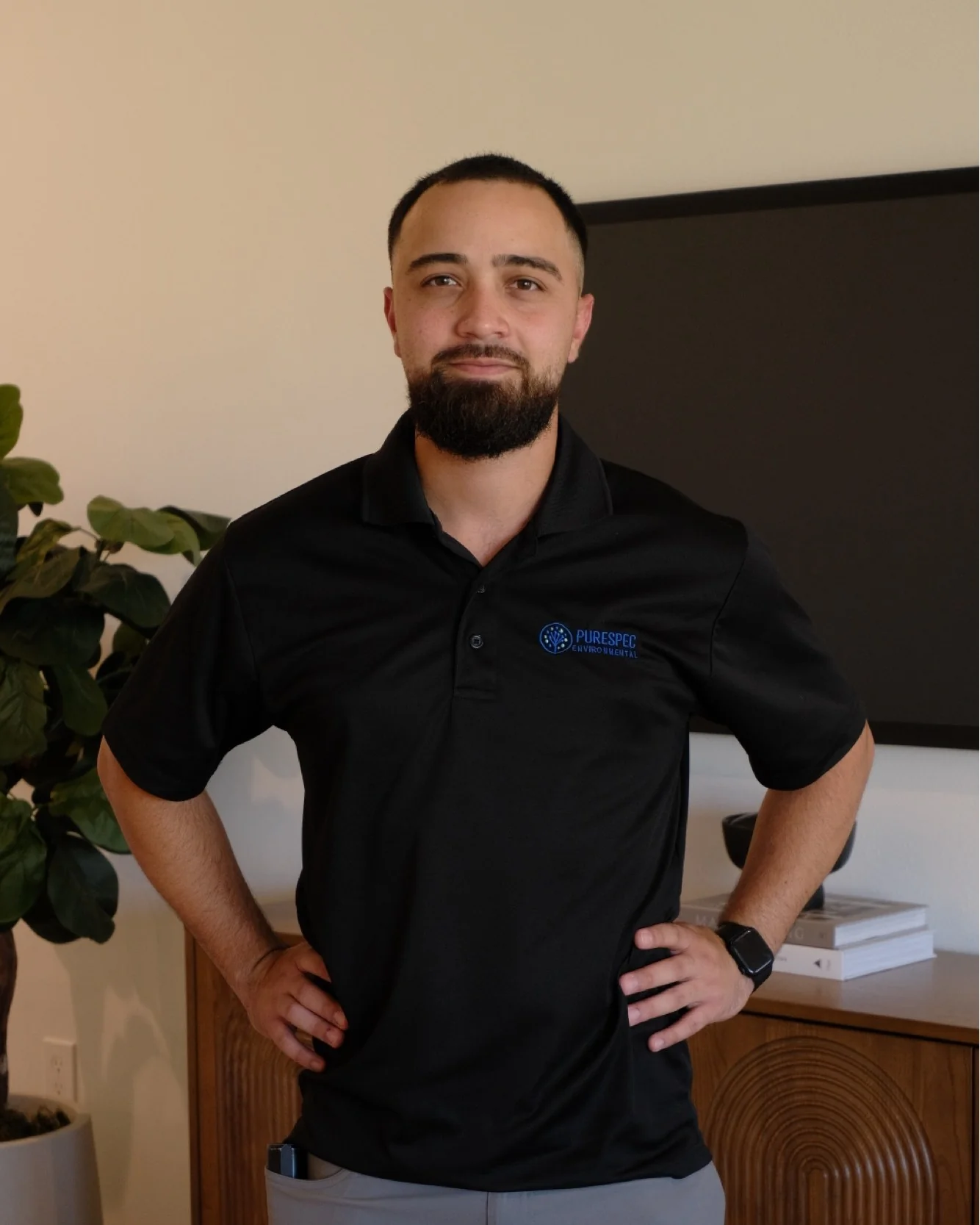
I am a licensed Florida Mold Assessor and a microbiologist by training, and I have walked homes across this county from the historic core of downtown Kissimmee to brand-new subdivisions out toward Poinciana. What makes this area interesting to me, and worth writing about, is the mix. You have an aging housing stock next door to explosive new construction, a busy vacation-rental corridor along US-192, and a large, vibrant Hispanic community that deserves to be served in its own language. I speak Spanish, and I do this work personally, so let me walk through what I see out here.
How does the water table shape mold risk here?
Most of Osceola County is low and flat, and it drains slowly. When you sit near wetlands, near Lake Toho, or along the Shingle Creek basin, groundwater sits close to the surface, and after our summer storms it sits even closer. That ground moisture does not stay in the ground. It works its way up through slabs, it keeps crawl spaces and lower walls damp, and it keeps the outdoor air heavy with humidity for most of the year.
Warm, wet air is the fuel for indoor mold. Give that humid air a cool surface and a little time to settle, and you get condensation, and condensation is where mold begins. I explain that dynamic in more depth in Florida humidity and mold, but the short version for Kissimmee and Poinciana is this: the setting itself keeps the moisture load high, so managing what happens inside your walls and your air handler matters more here than in drier parts of the state.
How do the old core and the new subdivisions differ?
One of the reasons I do not use a single cookie-cutter scope out here is that no two Osceola homes carry the same moisture profile. In one week I might see homes that could not be more different:
- Older homes in the historic core of downtown Kissimmee, some decades old, with original windows, aging ductwork, and additions built across different eras and different moisture practices. These reward a careful, room-by-room look.
- Established homes in the county's larger planned communities, lived in and loved for years. Solid houses, but with HVAC systems and roofs that have aged into the range where small failures start letting moisture in.
- Fast new construction spreading across Poinciana and the edges of the county. Tight, energy-efficient envelopes that hold conditioned air beautifully, and hold humidity just as beautifully if the air conditioner is not set up to actually dehumidify.
- Vacation-rental spillover along US-192, where short-term-stay homes sit empty and warm between guests, then get cooled hard for a weekend. That on-again, off-again pattern is a quiet humidity trap.
Because the housing is so varied, most owners are best served by an entire-property mold inspection, which gives me the full picture of the envelope, the air, and every space where moisture likes to hide.
Is new construction in Poinciana automatically dry?
I hear this a lot in Poinciana: the house is new, so it must be fine. I understand the instinct, but new does not mean dry. A tightly sealed modern home traps whatever moisture is inside with it, and if the air conditioner is oversized or short-cycling, it cools the house fast, hits the thermostat, and shuts off before it has pulled enough water out of the air. Cooling and dehumidifying are two different jobs, and a system doing only the first one leaves your indoor humidity high.
New builds also carry construction moisture in the framing and slab for months, and a fresh envelope can hide a plumbing or flashing defect that only shows itself after the first heavy rainy season. Having the air conditioner evaluated for whether it is actually drying the air, and not just chilling it, is the fastest way to catch this, and it is worth doing even on a home that still smells new.
What happens when mold follows water damage?
Given the water table and our storm season, a lot of the calls I get out here trace back to a specific event: a roof leak, a slab that took on water, a supply line that let go, a storm that pushed water under a door. Mold does not need long. In our climate, given damp material and warm air, colonies can establish within a couple of days. If your home has taken on water, time is not on your side, and I wrote a full walk-through of that situation in what to do about mold after water damage.
For renters in Kissimmee and Poinciana
A large share of homes out here are rentals, and tenants often feel stuck when they suspect mold: they do not own the property, they worry about their lease, and they are not sure what an inspection even involves. I want to be clear that renters have real standing to understand the air they and their families breathe. An independent, documented tenant-friendly mold inspection gives you a neutral written record you can share with a landlord, and it is built to be respectful of your tenancy.
If you want to understand where you stand before you make a call, I put together a plain-language guide to tenant mold documentation in Florida. It is general education, not legal advice, but it will help you ask the right questions.
Serving Spanish-speaking families, start to finish
This matters to me personally. Osceola County is home to a large and vibrant Hispanic community, and too often families get an inspection where the phone call is in Spanish but the actual report, the part that carries the findings, comes back in English only. I do this work myself, and I do it end to end in Spanish when that is what a family prefers: the first phone call, the walk-through and the questions during the inspection, and the written report you receive afterward. Nothing gets handed off or lost in translation, because it is the same bilingual person the whole way through.
Si prefiere hablar en español, con mucho gusto. You can also read more on nuestro sitio en español. My goal is that every family I serve fully understands what I found in their home and what it means, in the language they are most comfortable with.
How to start
Whether you are in downtown Kissimmee, out in Poinciana, over in St. Cloud, or anywhere across Osceola County, reaching me is simple. Call or text me directly at (321) 324-7756, or email through the site to book a visit. Tell me which kind of home you have, whether you own or rent, and what is prompting the call, and I will point you to the right scope. You can also read more about the area on my Poinciana service area page. English or Spanish, the process is the same and it is personal.
Standard coverage includes Orange, Seminole, Lake, Osceola and Polk counties. For properties outside these counties, contact PureSpec for a written quote before booking. Any travel charge is disclosed in your written quote.
This article is general education about environmental building science and the Central Florida climate. PureSpec Environmental provides mold assessment and testing only. We do not perform remediation, and nothing here is medical or legal advice. For questions about your health or a rental or real estate matter, please consult the appropriate qualified professional.