
Volusia County · Custom quote
Mold Inspection, Mold Testing & Specialty Testing in Daytona Beach, Florida.
Founder-performed by Daniel Melendez, a microbiologist and former environmental lab analyst. Lab-supported, independent of remediation, with Daytona Beach inspections scheduled by appointment.
Service in Daytona Beach is available by appointment with a custom quote. Request a written quote, or book online and the rate for your property is confirmed with you before the appointment.
What is mold inspection in Daytona Beach?
A mold inspection in Daytona Beach is the structured assessment of a home or commercial property to identify mold growth, moisture sources, and indoor air quality conditions. The process combines a visual walk-through of every accessible space, moisture-meter readings on each suspect surface, thermal imaging that flags surface-temperature patterns worth confirming with a moisture meter, an evaluation of the air conditioning system, and attic access where it is safe. Three accredited-laboratory samples are included and collected where the findings call for them rather than to a fixed formula. Everything is documented in a written report with photographs, instrument data, and laboratory results. Every inspection is performed personally by Daniel Melendez, a microbiologist and Florida-licensed mold assessor. PureSpec performs environmental assessment and testing only. It never performs remediation. PureSpec covers Daytona Beach and the surrounding area. Service in this area is available by appointment with a written custom quote. Contact PureSpec for current availability.
Where we work in Daytona Beach
From single-family homes to commercial buildings.
-
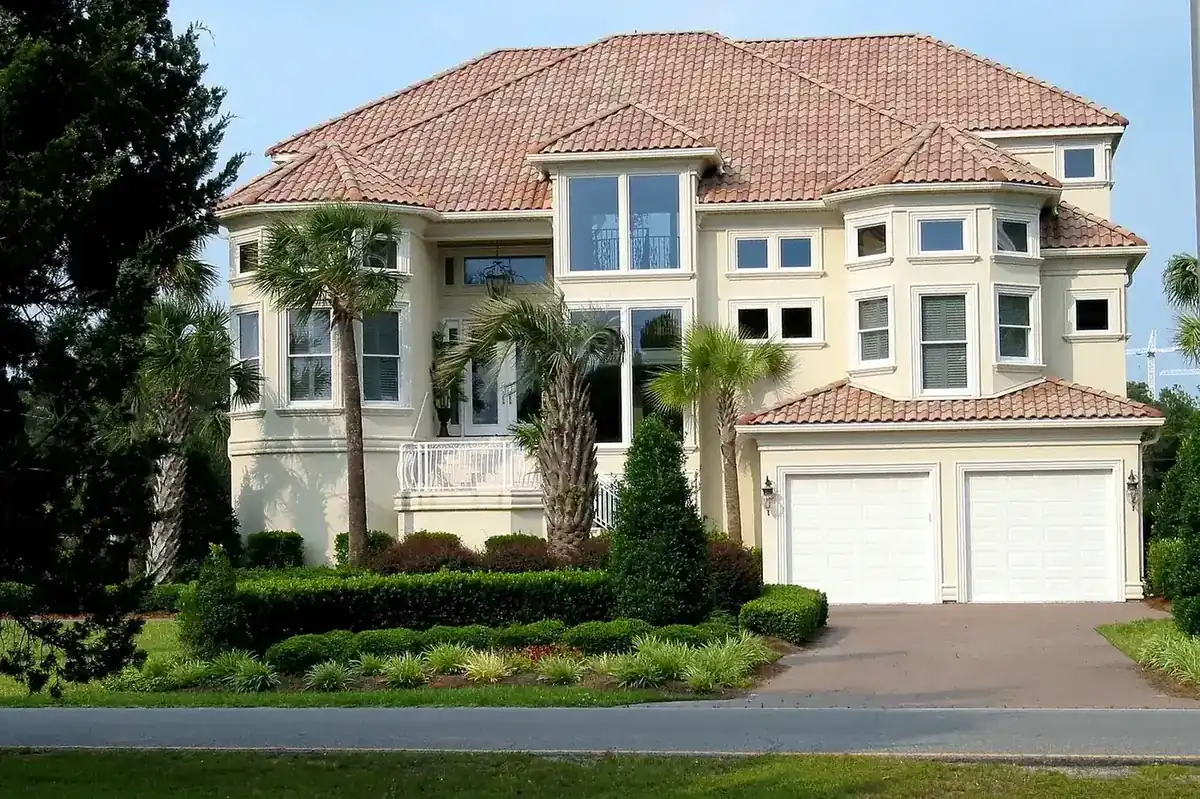
RESIDENTIAL Residential Mold Inspection
Single-family homes, townhouses, and condos across Daytona Beach, full-property and limited-scope assessments by a state-licensed mold assessor.
-

COMMERCIAL Commercial Mold Assessment
Office, retail, healthcare, school, and hospitality buildings across the Daytona Beach metro, reporting structured for property managers, insurers, and OSHA-aware contexts.
-
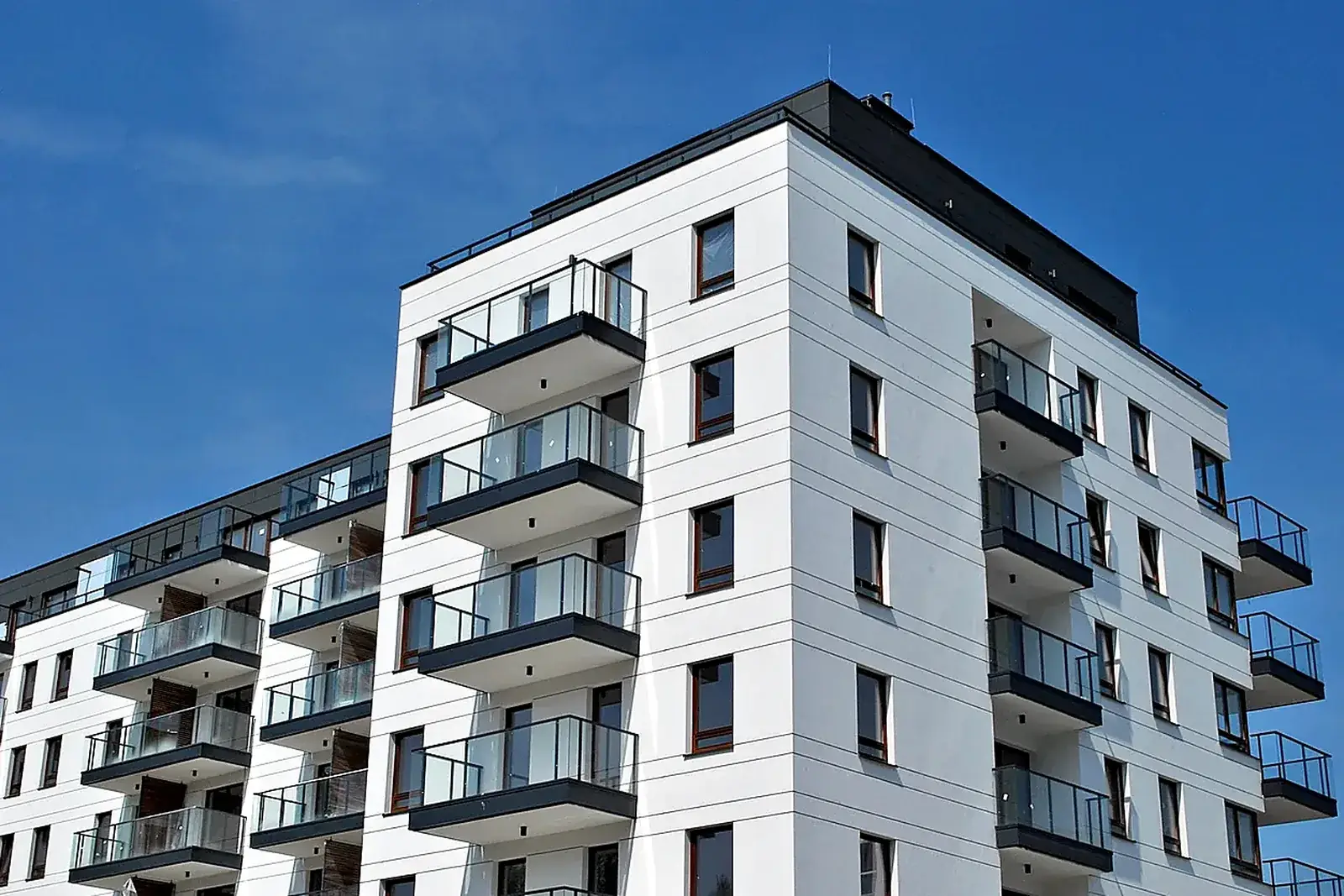
APARTMENT Apartment / Tenant Mold Inspection
Independent third-party documentation built for renters dealing with landlords and property managers across Daytona Beach-area multifamily housing.
Which service you need
What each PureSpec service answers in Daytona Beach.
Find the question closest to yours. Every service is performed personally by Daniel Melendez, a microbiologist and former environmental lab analyst, and every sample ships to an AIHA-LAP-accredited third-party laboratory under chain-of-custody.
“I think there’s mold somewhere in my house but I don’t know where.”
“I already know where the problem is, I just need it documented.”
“I can see something dark or fuzzy on a wall, can you tell me what it is?”
“How do I get the air in my house tested for mold?”
“Is it black mold? Can you test for Stachybotrys specifically?”
“I bought a DIY mold test kit at the hardware store. Can I trust the result?”
“My doctor mentioned ERMI or HERTSMI-2 testing, what is that?”
“I tested positive for mycotoxins in my body, where did they come from?”
“The air test was normal but I still feel sick at home.”
“We just moved in or renovated and something doesn’t feel right.”
“The remediation company says it’s clean. How do I know?”
“Could my air conditioner be making us sick?”
Daytona Beach-area CIRS and chronic-illness patients often work with integrative practices in Daytona Beach, Ormond Beach, and DeLand, which routinely use these results as part of an environmental workup. The pattern shows up particularly on A1A barrier-island inventory in Daytona Beach Shores and New Smyrna Beach where salt-air corrosion accelerates HVAC failure cycles.
How an Daytona Beach inspection actually works
Twelve steps. Same scientific process, every Daytona Beach property.
The depth of each step adapts to your situation. Tracer smoke testing and borescope inspection happen when conditions warrant. Sampling is decided based on what your specific environment is asking, not a fixed checklist.
- 01
Consultation
We talk through what you’re seeing, the building, and the question you need answered. Free, no pressure, no upsell.
- 02
Humidity and dew point
Temperature, relative humidity and dew point are recorded room by room, with an outdoor reference, because a surface colder than the dew point collects water without any leak.
- 03
Indoor air quality screening
Real-time particle counts across size channels, with on-site carbon dioxide, VOC and formaldehyde screening, room by room. Screening, not laboratory analysis.
- 04
Comprehensive HVAC evaluation
Each air handler is opened and checked: blower compartment, coil, drain pan, supply and return plenums, filter, and the attic duct runs it feeds. A frequent hidden source of indoor mold in Florida buildings. Salt-corroded coastal coils on barrier-island inventory and short-cycling oversized HVAC in inland master-planned subdivisions are the recurring findings.
- 05
Tracer smoke testing when needed
Smoke makes local air movement visible at the HVAC system and around penetrations and openings; temperature, humidity and surface-temperature readings help evaluate whether condensation is possible.
- 06
Mold visual inspection
Daniel personally walks every accessible space in the Daytona Beach property. No subcontractors.
- 07
Thermal imaging
Infrared imaging surfaces temperature differentials that often correlate with hidden moisture or insulation gaps. Useful on the A1A oceanfront strip where wind-driven-rain entry past stucco-window flashing creates lateral cavity travel.
- 08
Moisture mapping
Pin and pinless moisture meters identify elevated wall, floor, and substrate moisture invisible to the eye. Atlantic barrier-island salt humidity in Daytona Beach Shores and New Smyrna, and pre-war pier-foundation moisture in DeLand and Ormond Beach, are the recurring patterns.
- 09
Targeted sampling
Air, surface, swab, ERMI, HERTSMI-2, mycotoxin, Pathways™, VOC, or formaldehyde, only the tests your situation warrants.
- 10
Lab analysis
Samples sent to AIHA-LAP-accredited third-party laboratories. Results returned within 24 to 72 hours of receipt.
- 11
Written report
Plain-English report with photos, lab data, moisture readings, observations, and clear next steps. Organized so the client and relevant third parties can follow the observations, data, methods and basis for the assessment conclusions.
- 12
Remediation protocol when warranted
If assessment findings support professional remediation, Daniel can write, as an optional add-on quoted separately, the IICRC S520-aligned remediation protocol, scope, containment, methods, and clearance criteria, that the remediation contractor works to. PureSpec does not remediate, so the protocol stays independent of the work crew.
Coverage
Every Daytona Beach neighborhood, by appointment from Orlando.
Daytona Beach Shores, Ormond Beach-adjacent, Holly Hill, Tomoka Estates, Pelican Bay, Indigo Lakes, the Beach Street historic core, the A1A oceanfront strip, the LPGA International area, and the rest of east Volusia's coastal inventory. Daytona Beach is on the Atlantic coast in east Volusia County, ~55 miles northeast of Orlando via I-4. Inspections are scheduled by appointment.
Don’t see your neighborhood? Call (321) 324-7756, Daniel travels to every part of the area by appointment.
FAQ
Daytona Beach questions, answered.
How does a beachside oceanfront condo inspection differ from a mainland house in Daytona Beach?
The two are structurally different inspections. A beachside oceanfront condo, particularly in the 1960s and 1970s motels-turned-condos along South Atlantic Avenue, brings direct salt-air exposure, accelerated condenser-coil corrosion, balcony slab spalling, and unit-level PTAC and split-system HVAC patterns. A mainland house brings the standard inland Florida pattern of attic-mounted air handlers, oversized cooling, and condensate-drain neglect. The scope, the variables, and the report differ. Both are handled.
Did Hurricane Matthew and Hurricane Irma affect Daytona Beach properties?
Yes. Hurricane Matthew (October 2016) tracked directly along the Volusia coast and damaged a meaningful share of beachside oceanfront inventory. Hurricane Irma (September 2017) flooded the Daytona Beach Shores corridor and produced wind-driven rain across the mainland. Post-Remediation Verification is the right scope for any drywall or envelope replacement performed afterward, and it is performed independently with no contractor relationship.
Do you inspect properties along International Speedway Boulevard?
Yes. The International Speedway Boulevard corridor through Daytona Beach is a commercial spine that runs from the Speedway eastward to the river. Strip-retail, medical-office, and hospitality inventory along the corridor shows the rooftop-unit condensate-failure pattern that dominates commercial mold inspections, and the corridor's high event-traffic loading accelerates filter occlusion on HVAC return-side housings.
How soon can you schedule a Daytona Beach inspection?
Routine pre-purchase work in Daytona Beach is generally scheduled within 48 to 72 hours. Post-loss work is quoted separately and prioritized. Call (321) 324-7756 to confirm availability.
Nearby cities & towns
Available services