
Orange County · Central Florida
Mold Inspection, Mold Testing & Specialty Testing in Dr. Phillips, Florida.
Founder-performed by Daniel Melendez, a microbiologist and former environmental lab analyst. Lab-supported, independent of remediation, with most Dr. Phillips inspections scheduled within 48 hours.
How do you choose a mold inspector in Dr. Phillips?
Look for four things: a state-licensed Florida Mold Assessor; an inspector with a science background who interprets the lab data personally; an assessment-only practice that does not also sell remediation, so a separate contractor handles any remediation; and samples analyzed by AIHA-LAP-accredited laboratories. PureSpec Environmental is built on all four. Every Dr. Phillips inspection is founder-performed by Daniel Melendez, a microbiologist and former environmental laboratory analyst (Florida Mold Assessor MRSA #4575, Council-certified Microbial Investigator), with a perfect 5.0-star rating across every verified client review. PureSpec covers Dr. Phillips, Bay Hill, and the Sand Lake area. A mold inspection itself covers a room-by-room visual assessment, moisture readings, thermal imaging, an evaluation of the air conditioning system, and three accredited-laboratory samples collected where the findings call for them. The report is written so that a non-expert can follow the reasoning behind each conclusion.
What does a mold inspection in Dr. Phillips include?
A mold inspection in Dr. Phillips is the structured assessment of a home or commercial property to identify mold growth, the moisture feeding it, and the indoor air conditions. It combines a visual walk-through of every accessible space, pin and pinless moisture-meter readings across walls, floors and substrates, thermal imaging that narrows where to meter next, an end-to-end evaluation of the air conditioning system, and attic access where it is safe to enter. Three accredited-laboratory samples are included, placed where the walk-through and the readings point rather than to a fixed formula. Everything lands in a written report with photographs, instrument readings and laboratory results. Every inspection is performed personally by Daniel Melendez, a microbiologist and Florida-licensed mold assessor, MRSA #4575. PureSpec performs environmental assessment and testing only. It never performs remediation. In Dr. Phillips, golf-community irrigation against stucco and large closed-off wings are common moisture sources.
Local context
Why mold inspection matters in Dr. Phillips.
Dr. Phillips sits in southwest Orange County between Orlando, Lake Buena Vista, and Windermere, bounded roughly by Sand Lake Road, the Apopka-Vineland Road corridor, and the Restaurant Row dining district. The mold inspection profile reflects 1980s-2010s master-planned single-family, mid-rise commercial along Sand Lake Road, and a Lake Tibet Butler / Big Sand Lake frontage that brings the same lakefront-humidity factors as the Butler Chain to the southwest.
Master-planned single-family inspection priorities. Phillips Landing, Phillips Park, Sand Lake Hills, Bay Hill, and Turtle Creek carry the 1980s-2010s master-planned single-family inventory where attic-mounted air handlers, original-era condensate management, and stucco-window-flashing detail are what the assessment focuses on. Condensate-pan corrosion on aging attic air handlers is one of the conditions checked.
Restaurant Row commercial corridor. The Restaurant Row strip along Sand Lake Road is a mix of 1990s-2010s mid-rise commercial and adaptive-reuse single-tenant. Kitchen-exhaust and plumbing-cavity moisture, plus the centralized-HVAC plenum biofilm pattern common to mid-rise office, drive the commercial inspections in this corridor. The Dr. Phillips Marketplace and surrounding mixed-use add another layer of multi-tenant exhaust-shared envelopes.
Bay Hill and Big Sand Lake frontage. Bay Hill (the Arnold Palmer Invitational host community) and the Big Sand Lake / Lake Tibet Butler shoreline carry an estate inventory similar to Windermere's Butler Chain: lakefront stucco-window failures, original-era boot-and-flashing wear, and dock-and-boathouse-adjacent moisture. Idalia (2023) and Milton (2024) hurricane impacts continue to surface during pre-purchase inspections in this segment.
Where we work in Dr. Phillips
From single-family homes to commercial buildings.
-
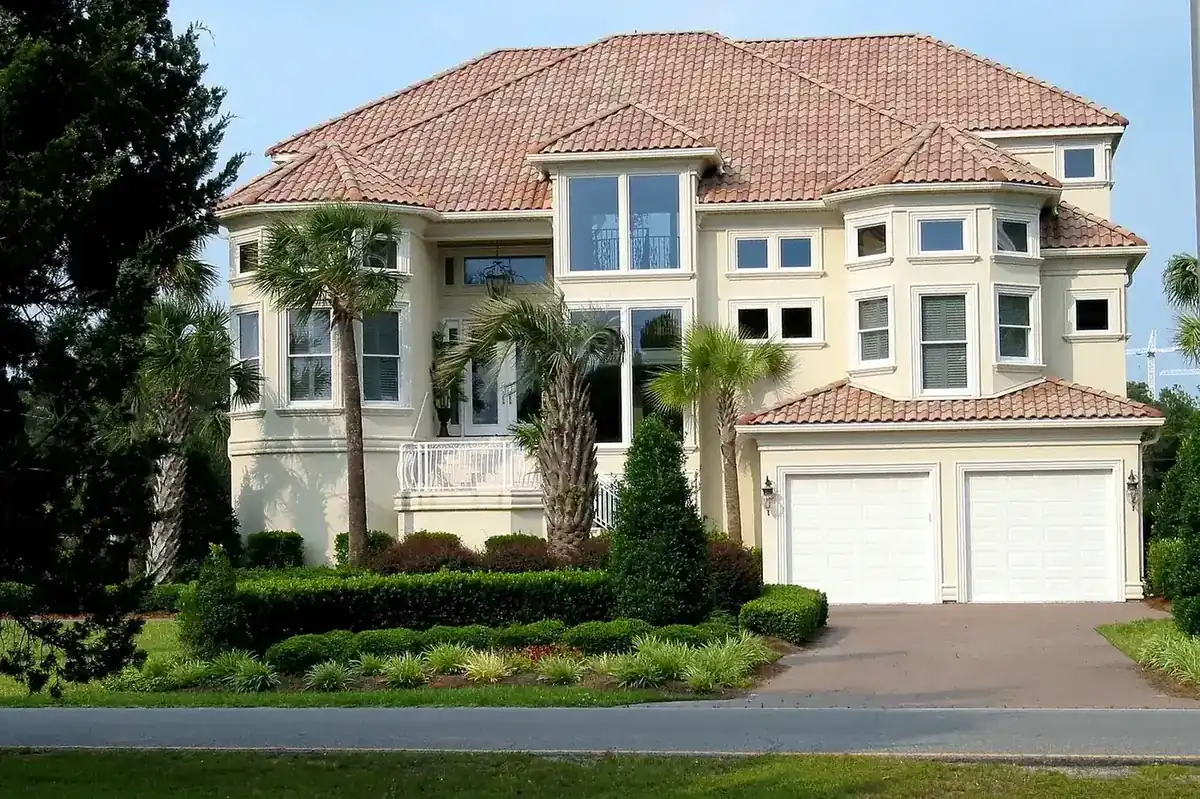
RESIDENTIAL Residential Mold Inspection
Single-family homes, townhouses, and condos across Dr. Phillips, full-property and limited-scope assessments by a state-licensed mold assessor.
-
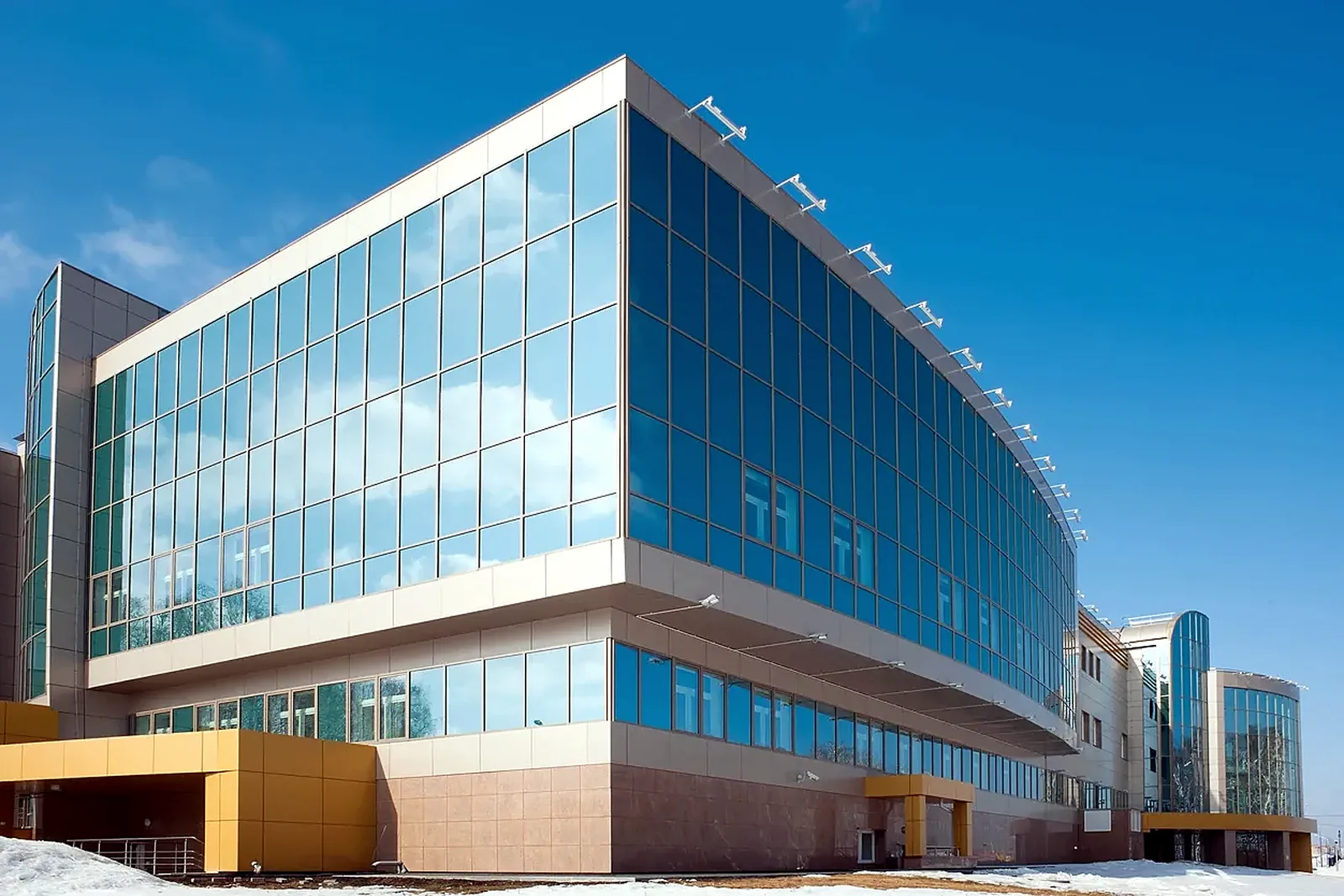
COMMERCIAL Commercial Mold Assessment
Office, retail, healthcare, school, and hospitality buildings across the Dr. Phillips metro, reporting structured for property managers, insurers, and OSHA-aware contexts.
-

APARTMENT Apartment / Tenant Mold Inspection
Independent third-party documentation built for renters dealing with landlords and property managers across Dr. Phillips-area multifamily housing.
Which service you need
What each PureSpec service answers in Dr. Phillips.
Find the question closest to yours. Every service is performed personally by Daniel Melendez, a microbiologist and former environmental lab analyst, and every sample ships to an AIHA-LAP-accredited third-party laboratory under chain-of-custody.
“I think there’s mold somewhere in my house but I don’t know where.”
“I already know where the problem is, I just need it documented.”
“I can see something dark or fuzzy on a wall, can you tell me what it is?”
“How do I get the air in my house tested for mold?”
“Is it black mold? Can you test for Stachybotrys specifically?”
“I bought a DIY mold test kit at the hardware store. Can I trust the result?”
“My doctor mentioned ERMI or HERTSMI-2 testing, what is that?”
“I tested positive for mycotoxins in my body, where did they come from?”
“The air test was normal but I still feel sick at home.”
“We just moved in or renovated and something doesn’t feel right.”
“The remediation company says it’s clean. How do I know?”
“Could my air conditioner be making us sick?”
Phillips-area CIRS and chronic-illness patients often work with integrative practices in Winter Park, Lake Mary, and the Lake Nona / Medical City corridor, which routinely use these results as part of an environmental workup. The pattern shows up particularly in the older Conway, Belle Isle, and SoDo single-family inventory where original-era attic-mounted air handlers and condensate pans reach the end of their service life.
How an Dr. Phillips inspection actually works
Twelve steps. Same scientific process, every Dr. Phillips property.
The depth of each step adapts to your situation. Tracer smoke testing and borescope inspection happen when conditions warrant. Sampling is decided based on what your specific environment is asking, not a fixed checklist.
- 01
Consultation
We talk through what you’re seeing, the building, and the question you need answered. Free, no pressure, no upsell.
- 02
Humidity and dew point
Temperature, relative humidity and dew point are recorded room by room, with an outdoor reference, because a surface colder than the dew point collects water without any leak.
- 03
Indoor air quality screening
Real-time particle counts across size channels, with on-site carbon dioxide, VOC and formaldehyde screening, room by room. Screening, not laboratory analysis.
- 04
Comprehensive HVAC evaluation
Each air handler is opened and checked: blower compartment, coil, drain pan, supply and return plenums, filter, and the attic duct runs it feeds. A frequent hidden source of indoor mold in Florida buildings.
- 05
Tracer smoke testing when needed
Smoke makes local air movement visible at the HVAC system and around penetrations and openings; temperature, humidity and surface-temperature readings help evaluate whether condensation is possible.
- 06
Mold visual inspection
Daniel personally walks every accessible space in the Dr. Phillips property. No subcontractors.
- 07
Thermal imaging
Infrared imaging surfaces temperature differentials that often correlate with hidden moisture or insulation gaps.
- 08
Moisture mapping
Pin and pinless moisture meters identify elevated wall, floor, and substrate moisture invisible to the eye.
- 09
Targeted sampling
Air, surface, swab, ERMI, HERTSMI-2, mycotoxin, Pathways™, VOC, or formaldehyde, only the tests your situation warrants.
- 10
Lab analysis
Samples sent to AIHA-LAP-accredited third-party laboratories. Results returned within 24 to 72 hours of receipt.
- 11
Written report
Plain-English report with photos, lab data, moisture readings, observations, and clear next steps. Organized so the client and relevant third parties can follow the observations, data, methods and basis for the assessment conclusions.
- 12
Remediation protocol when warranted
If assessment findings support professional remediation, Daniel can write, as an optional add-on quoted separately, the IICRC S520-aligned remediation protocol, scope, containment, methods, and clearance criteria, that the remediation contractor works to. PureSpec does not remediate, so the protocol stays independent of the work crew.
Coverage
Every Dr. Phillips neighborhood, no travel surcharge inside Orange County.
Bay Hill, Phillips Landing, Phillips Park, Sand Lake Hills, Restaurant Row, Dr. Phillips Marketplace, Turkey Lake-adjacent, the Apopka-Vineland Road corridor, and the rest of southwest Orange County. Dr. Phillips is in southwest Orange County between Orlando and Lake Buena Vista, ~12 miles from downtown Orlando, inside our no-surcharge zone. Same-week scheduling is usually available.
Don’t see your neighborhood? Call (321) 324-7756, Daniel covers every part of the metro.
FAQ
Dr. Phillips questions, answered.
Do you cover Bay Hill and the Arnold Palmer estate communities?
Yes. The Bay Hill Club & Lodge community, anchored by the Arnold Palmer-designed golf course and home to the API Invitational, sits as the most recognizable estate enclave in Dr. Phillips. PureSpec performs full inspections, post-remediation verification, and limited-scope work across Bay Hill, Phillips Cove, Phillips Landing, and Sand Lake Hills.
Why does affluent SW Orange County need different inspection scope?
Dr. Phillips estate construction routinely carries premium finish levels, Italian stone, custom millwork, multi-zone luxury HVAC, integrated home-automation, where partial-remediation cost-of-error easily runs five to six figures. Independent third-party inspection before signing on remediation work, or before closing on a purchase, is high-value relative to the finish at risk.
Do you serve Sand Lake Road Restaurant Row commercial properties?
Yes. The Sand Lake Road "Restaurant Row" commercial corridor between I-4 and Apopka-Vineland Road carries dense hospitality and commercial-tenant inventory. PureSpec performs commercial mold inspections for landlord-tenant documentation, post-water-loss verification, and pre-lease assessment across the corridor.
How quickly can you inspect in Dr. Phillips?
Most non-emergency Dr. Phillips inspections are scheduled within 48 hours. PureSpec serves Dr. Phillips and surrounding Orange County by appointment. Time-sensitive moisture and active water-loss cases are prioritized when scheduling allows.
Nearby cities & towns
Available services