Legionella is one of those topics that sounds alarming until you understand the mechanics, at which point it becomes a manageable, well-defined building question. It is a waterborne bacterium, it lives in water systems that most large buildings already have, and it is measurable. The job of an assessor is not to raise fear but to sample the right points, send them to an accredited laboratory, and tell you plainly what the water is doing.
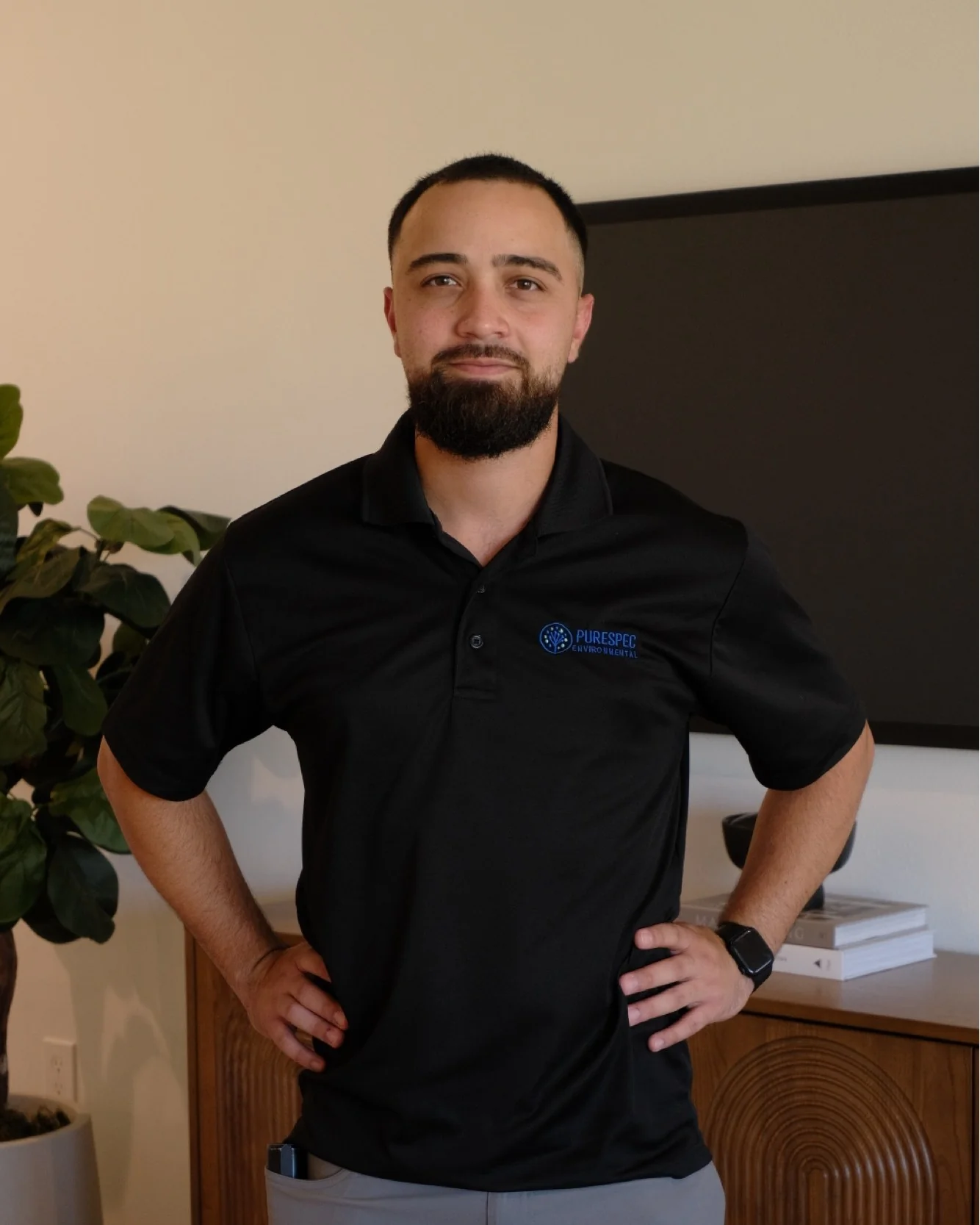
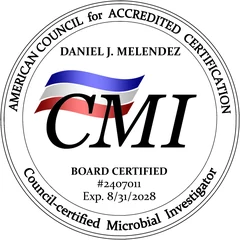
I am a microbiologist and a Florida-licensed assessor, and I work on the testing and documentation side only. This article walks through what Legionella is, which building water systems carry risk, what conditions let it grow, how the testing methods differ, and when it makes sense to sample. If you manage a healthcare facility, a hotel, a senior living community, or a large commercial property in Central Florida, this is the background worth having before you order a test.
What is Legionella, and where does it grow?
Legionella, and in particular Legionella pneumophila, is a bacterium that lives naturally in water. It causes Legionnaires' disease, a severe form of pneumonia, and a milder illness called Pontiac fever. The important detail for building owners is the route of exposure: people are exposed by inhaling contaminated water that has been aerosolized into fine droplets, not by drinking it. That is why the risk centers on systems that turn water into mist or spray.
The bacterium is common in the environment at low levels. The concern is not its presence in nature but its ability to multiply inside building plumbing and equipment, then reach people through the air. Understanding that path is what makes the rest of the picture make sense: you are watching the systems that both grow the bacterium and release it as aerosol.
Which building water systems are most at risk?
Legionella grows in building water systems, and several types show up again and again. Cooling towers and evaporative condensers are near the top of the list because they hold warm water and release aerosol by design. Hot and cold potable water systems matter too, along with water heaters and storage tanks. Decorative fountains, misters, and spas or hot tubs create fine droplets that carry the bacterium into the air. Complex plumbing with dead legs, rarely used fixtures, or low flow gives the organism quiet places to settle and multiply.
Because the risk is tied to specific equipment, testing is targeted rather than random. A large building with a cooling tower and long potable runs has more sampling points to consider than a small one. This is also why property managers of larger portfolios tend to build routine sampling into their operations.
What conditions let Legionella multiply?
A few water conditions favor growth, and they tend to appear together. Water temperatures in the range of roughly 77 to 113 degrees Fahrenheit, about 25 to 45 degrees Celsius, sit right in the zone where Legionella thrives. Stagnation is a second major factor, which is why low-flow branches and idle fixtures matter. Biofilm, the slick microbial layer that forms on the inside of pipes and tanks, shelters the bacteria and feeds them. Sediment and scale give it more surface to colonize. Finally, low or absent disinfectant residual removes the chemical barrier that would otherwise keep counts down.
None of these on their own guarantees a problem, but the more of them a system carries, the more reason there is to measure. In Central Florida, warm ambient conditions mean water in tanks and long runs can sit comfortably within that growth range for much of the year, which is worth keeping in mind when you plan a sampling schedule.
What are ASHRAE Standard 188 and a water management program?
The framework most building professionals reference is ASHRAE Standard 188, titled "Legionellosis: Risk Management for Building Water Systems." It sets out how to build a Water Management Program, often shortened to WMP, which identifies where in a building's water systems Legionella could grow and spread, sets control measures, and defines monitoring. Testing is one piece of that larger program, not a substitute for it.
Water management programs are not optional everywhere. CMS requires them for hospitals and long-term care and nursing facilities, and CDC and ASHRAE recommend them for large or complex buildings, buildings with cooling towers, and healthcare and senior living settings generally. If you run one of those facilities, a program is the expectation, and periodic water sampling is how you verify that the program is working. This is a frequent conversation with healthcare providers who need documentation that stands up to review.
Culture or qPCR: how is Legionella tested, and how long does it take?
There are two main laboratory methods, and they answer slightly different questions. Culture, following protocols such as ISO 11731 or the CDC method, is the reference standard. It grows the organism from the sample and gives a quantified count in colony-forming units per unit volume, so you learn both presence and amount. The trade-off is time: culture typically takes about 10 to 14 days.
qPCR is the faster option. It detects Legionella DNA and can return results in about 1 to 2 days, which is valuable when you need a quick read. Its limitation is that it does not distinguish live cells from dead ones, so a positive qPCR result does not by itself tell you how much viable bacteria is present. Many programs use qPCR for speed and culture for confirmation and quantification. I go deeper on the mechanics in Legionella testing methods, and I outline the sampling and lab workflow on the Legionella water testing service page.
Whichever method fits, the samples are similar. They commonly include first-draw and post-flush water from taps and showers, cooling tower water, and water heater or tank samples, all collected in sterile containers and sent to an accredited laboratory. First-draw captures what has been sitting in the fixture, and post-flush captures what the system delivers once water has been running, so the pair tells you more than either alone.
When should a building test for Legionella?
Timing is where this becomes practical. Healthcare facilities, senior living communities, and hotels are the settings where testing is most routine, both because occupants may be more vulnerable and because water management programs call for it. Buildings with cooling towers usually fold sampling into the tower's ongoing program. Large-building due diligence, such as a purchase or a management transition, is another natural point to check the water systems before you take responsibility for them.
Two situations deserve special mention. The first is reopening after low occupancy. When a building sits mostly idle, water stagnates and disinfectant residual fades, which is exactly the setup Legionella likes, so sampling before people return is a sensible precaution. The second is after a suspected case has been reported, when testing helps characterize the building water systems as part of the broader response. For general surface hygiene questions that sit alongside water testing, some operators also use ATP environmental screening to gauge cleanliness, though that measures organic residue rather than Legionella specifically.
What is PureSpec's role, and where do we stop?
My role is deliberately narrow, and that is a feature. PureSpec collects the water samples, submits them to an accredited lab, interprets the results, and documents them in a clear written report. That is the whole scope. We do not perform water treatment, we do not disinfect systems, and we do not remediate. We stay on the assessment side of the line.
That separation keeps the findings independent. When a report comes from a firm that does not sell the corrective work, the numbers are just the numbers. If results indicate action is needed, you engage a qualified water treatment or remediation professional, and our documentation gives them and you a factual starting point. For building operators, that clean division between measuring and fixing is exactly what makes third-party testing worth ordering.
How to start
If you operate a hospital, senior living community, hotel, or large commercial property in Central Florida and want your building water systems sampled and documented, the process is straightforward. Call or text me at (321) 324-7756, or reach out through the site. Tell me what systems the building runs, whether a cooling tower is involved, and what prompted the question, and I will map out the right sampling points and method for your situation.
Standard coverage includes Orange, Seminole, Lake, Osceola and Polk counties. For properties outside these counties, contact PureSpec for a written quote before booking. Any travel charge is disclosed in your written quote.
This article is general education about environmental building science and water systems. PureSpec Environmental provides environmental sampling and testing only. We do not treat, disinfect, or remediate water systems, and nothing here is medical or legal advice. For health questions or regulatory obligations, please consult a qualified professional.