
Water Testing
Legionella water testing across Central Florida.
Independent Legionella sampling across a building’s water systems, potable hot and cold water, cooling towers, spas, and fountains, collected under standardized protocol and analyzed by an accredited environmental laboratory. PureSpec collects and interprets; we do not treat or remediate, so the result stays unbiased. For ASHRAE 188 water-management compliance, healthcare and hospitality due diligence, and confirmed-case investigations across Orlando and Central Florida.
What is Legionella water testing?
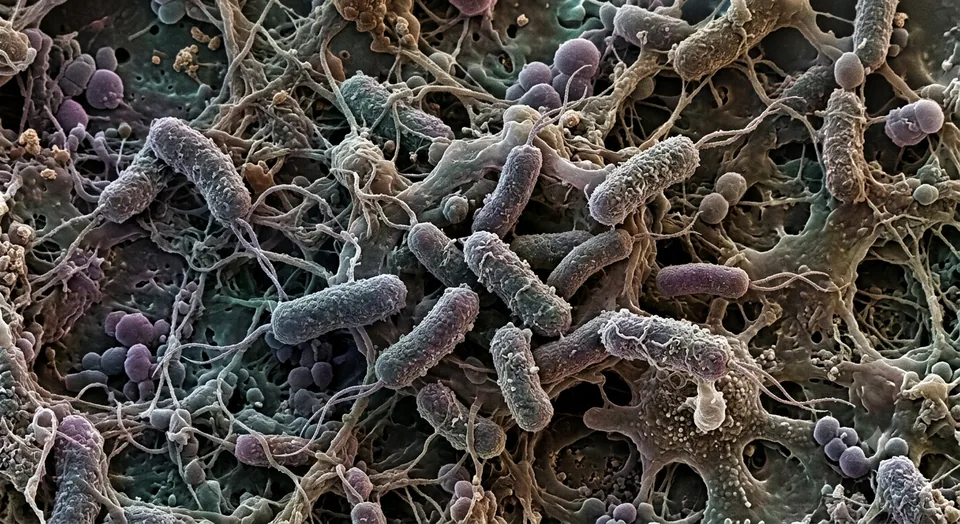
Legionella water testing is the collection and laboratory analysis of water samples from building systems, potable hot and cold water, cooling towers, spas, and decorative fountains, to detect and quantify Legionella, the bacteria that causes Legionnaires’ disease. Samples are collected under standardized protocol with chain of custody and analyzed by an accredited environmental laboratory. Which method fits depends on what the result has to do. Culture grows and counts living organisms over roughly seven to ten days and is the reference method in many water-management and clearance programs. PCR-based methods return an answer in one to two days, with viability PCR designed to reduce the signal from dead cells. Results guide water-management planning, compliance documentation, and remediation decisions, and PureSpec samples and reports without performing any of the corrective work.
What it covers
What's included?
- Sampling across your water systemsPotable hot and cold water at representative and distal points, cooling towers and evaporative systems, spas and hot tubs, and decorative fountains or misters, anywhere warm water can aerosolize and be inhaled.
- Standardized collection with chain of custodySamples are drawn to protocol, with temperature and site details recorded, then sealed and tracked so the result is traceable for compliance or an investigation.
- Accredited laboratory analysis, matched to your goalSamples ship under chain of custody to a national accredited environmental laboratory. We can run culture (the ISO 11731 reference method and gold standard for compliance and clearance), a standard qPCR DNA screen, or the newer viability PCR (vPCR), which returns results in as little as 1 to 2 days and detects only live Legionella, catching the viable-but-non-culturable bacteria that culture can miss.
- Independent, assessment-onlyPureSpec samples, documents, and interprets. We do not sell water treatment or remediation. Clients hire a separate contractor when corrective work is needed.
- Written report with next stepsResults in plain English with sampling locations, findings, and clear next steps, organized for building management, insurers, or public-health review.
When you need it
When is this service the right fit?
- ASHRAE 188 water managementRoutine compliance sampling and validation for building owners and managers running a water-management program.
- Healthcare and senior livingHospitals, nursing homes, and assisted-living facilities, where occupants are high-risk and requirements are strict.
- Hotels, resorts, and rentalsGuest safety and liability across hospitality water systems, from potable lines to spas and fountains.
- After a confirmed case or outbreakSource investigation when a Legionnaires’ case is potentially linked to a building.
- Real estate and pre-purchase due diligenceVerifying the water systems of a commercial or multi-family property before a transaction.
Test methods
Culture, qPCR, and the faster vPCR.
There is no single “best” Legionella test; the right one depends on whether you need regulatory confirmation or a fast early warning. As a microbiologist-led practice, we can run any of three methods and help you choose the right one for your building.
| Method | Turnaround | Detects live only | Finds hidden (VBNC) | Best for |
|---|---|---|---|---|
| Culture (ISO 11731) | ~7 to 10 days | Yes | No | Compliance, clearance, outbreak investigation |
| qPCR | As little as 1 to 2 days | No | Yes | Fast DNA screening |
| Viability PCR (vPCR)Fastest + live | As little as 1 to 2 days | Yes | Yes | Rapid, risk-based decisions and ASHRAE 188 monitoring |
Culture is the gold-standard reference method and what most regulations require. Viability PCR (vPCR) is the newer option: results in as little as 1 to 2 days and, unlike a standard PCR screen, it detects only live Legionella, including “viable but non-culturable” bacteria that culture can miss. Many building water-management programs pair a rapid vPCR screen for early warning with culture confirmation for regulatory confirmation. We help you pick the right approach.
About Legionella
What Legionella is, and why it matters.
Legionella is a bacteria that lives in water. It occurs naturally in lakes and streams at harmless levels, but it becomes a health risk when it multiplies inside a building’s warm-water systems: water heaters, pipes, cooling towers, hot tubs, and decorative fountains. The species behind most human illness is Legionella pneumophila, found in freshwater worldwide (World Health Organization).
How it makes people sick. Infection happens by breathing in tiny water droplets (an aerosol) that carry the bacteria: a shower, a cooling-tower plume drifting off a rooftop, a spa, or a fountain. It is generally not spread from person to person. Most people exposed do not get sick, but in those who do it causes Legionnaires’ disease, a serious pneumonia, or a milder flu-like illness called Pontiac fever. Risk is highest for adults over 50, current or former smokers, and people with chronic lung disease or weakened immune systems (U.S. Centers for Disease Control and Prevention).
It is serious, and it is rising. About 1 in 10 people who get Legionnaires’ disease die from it; in healthcare settings, where patients are already vulnerable, it is closer to 1 in 4. Reported U.S. cases have climbed sharply, increasing roughly ninefold from 2000 to 2018 (CDC). The World Health Organization describes the illness as ranging from a mild cough to a rapidly fatal pneumonia.
Why testing is the front line, and what it costs to skip it. Because the bacteria grows inside a building’s own water systems, a single outbreak can mean hospitalizations, a death, litigation, forced closure, and regulatory action, consequences far greater than catching the problem early. In a CDC review of cases from 2000 to 2014, 9 in 10 could have been prevented with a proper building water-management program. Independent testing, sampling the water and measuring what is actually present, is how a building owner catches a problem before people do.
Sources: U.S. Centers for Disease Control and Prevention (CDC) and the World Health Organization (WHO). PureSpec performs environmental testing only and does not diagnose, treat, or provide medical advice.
FAQ
Legionella water testing, common questions.
What is Legionella and why test for it?
Legionella is a naturally occurring waterborne bacteria. When it grows in a building’s warm-water system and gets aerosolized, a shower, a cooling-tower plume, a spa, a fountain, and then inhaled, it can cause Legionnaires’ disease, a serious and sometimes fatal pneumonia. Testing detects and quantifies it in the water before it reaches people.
Which water systems should be tested?
Any system that holds warm water and can create a breathable mist: potable hot and cold water (taps, showerheads, water heaters, distal points), cooling towers and evaporative condensers, spas and hot tubs, and decorative fountains or misters. The right sampling plan depends on the building and why you are testing.
How fast are results, and what method is used?
Turnaround depends on the method. Culture, the compliance gold standard, typically takes about 7 to 10 days because the bacteria has to grow. Standard qPCR and the newer viability PCR (vPCR) are molecular methods that return results far faster, often within 1 to 2 days. vPCR has an edge over standard PCR: it detects only viable (live) Legionella, including “viable but non-culturable” cells that culture can miss, which makes it ideal for proactive water-management monitoring. Many programs pair a fast vPCR screen with culture confirmation for regulatory confirmation. We match the method to your goal and confirm it up front.
Do you also treat or remediate Legionella?
No. PureSpec is assessment-only: we collect, document, and interpret the water sampling. Water treatment and remediation are performed by a separate specialist, which keeps our results independent and unbiased, the same principle behind our mold work.
Can you support an ASHRAE 188 water management program?
Yes. We provide the independent Legionella sampling and validation data a building’s water-management program relies on, collected and documented so it is traceable for compliance review.
Service areas
Legionella water testing across Central Florida.
PureSpec serves the Central Florida metro, Orlando, Kissimmee, Winter Park, Sanford, Lakeland, Clermont, Winter Garden, and the surrounding communities, where hotels and resorts, hospitals and senior-living campuses, universities, and office and industrial buildings all run the warm-water and cooling-tower systems where Legionella grows. Statewide by appointment for larger commercial scopes; click the county nearest you for local context.
Central Florida coverage